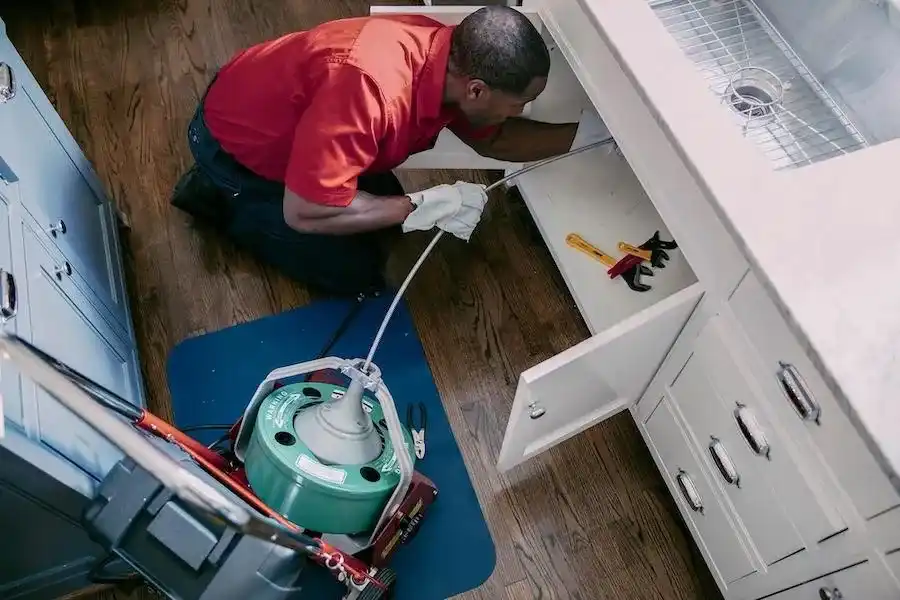
Many homeowners don’t think about how much they rely on their plumbing system until something goes wrong, such as leaks, clogged drains, or faulty pipes. A small issue can quickly turn into a costly problem, affecting both your budget and daily routine. By scheduling regular inspections with a reliable plumber in Wilton Manors, potential issues can be identified early before they become major repairs. A professional ensures your water system runs efficiently, giving you peace of mind and maintaining the overall safety of your home’s plumbing system.
Why Regular Plumbing Inspections Are Important?
Plumbing is something that many take for granted until there is a plumbing emergency such as leaking pipes or clogged drains. Regular inspections of your plumbing can help reduce future damage to your home and property by identifying issues before they worsen into more complex issues and/or creating larger issues that require more expensive treatment options.
Catching Leaks Early
A small leak can lead to substantial damage over a period of time. An expert can also detect hidden leakages in the following areas:
Walls or floor
Under sinks and bathroom plumbing
Water heaters and supply lines
Finding leaks early prevents structural damage, mold growth, and high water bills.
Avoiding Costly Repairs
Plumbing issues have a tendency to worsen if not treated. A routine plumbing inspection will enable a plumber to:
Replace old and corroded pipes
Fix faulty faucets and fixtures
Prevent drainage problems from becoming severe
This will prove cost-effective in the long run.
Maintaining Water Pressure and Flow
Slow drains or uncontrolled water pressure can signal a blockage or old plumbing beneath the surface. A qualified inspector can evaluate water flow during their examination and give recommendations for keeping the plumbing working correctly inside your home.
Focus on Bathroom Plumbing
Bathrooms are areas of high usage and often the very first location where plumbing troubles develop. Regular inspections will ensure that:
Toilets function correctly and do not continuously run
Sinks and faucets drain correctly and remain leak-free
Showers and bathtubs seal correctly and drain well
Bathroom plumbing maintenance is the key to a cozy and untidy-free home.
Benefits of Routine Plumbing Inspections
By scheduling inspections on a routine basis you can get several benefits:
1. Save Money
It’s generally much less expensive to fix small plumbing issues now rather than waiting until they become significant plumbing issues.
2. Protect Your Home
Water leaks can lead to thousands of dollars in damage to flooring, wall structure and the foundation of your home. An inspection will help you catch problems before they have a chance to cause damage to your home.
3. Improve Safety
Flawed piping is hazardous, as it can cause slippery floor surfaces, development of mold and so forth. Routine inspections will keep your family members safe .
4. Conserve Water
Knowing where there are leaks and where fixtures aren’t functioning well saves water, which not only saves you money on your water bills, but also saves the planet.
What Happens During a Plumbing Inspection
This is a step-by-step process that ensures that nothing is left out in your plumbing system. These steps include:
Visual Inspection: Where all your exposed pipes, faucets, and valves are checked for any signs of leakage or wear
Drain Assessment: Where all your drains are checked to ensure that they are all working well
Fixture Testing: Where all your fixtures, such as your toilets, sinks, showers, and water heaters, are checked to ensure that they are all working well
Recommendations: Where you are advised on what needs to be done to your system to ensure that you do not have future problems.
This thorough approach keeps your plumbing system reliable and efficient.
When to Schedule an Inspection?
Though annual inspections may be necessary for most homes, there may be situations that necessitate more frequent inspections. These situations include:
Older Homes: The plumbing fixtures may need to be inspected every 6–12 months
After Renovations:The plumbing fixtures may need to be inspected
After Extreme Weather: The weather may have caused damages to the plumbing fixtures.
Scheduling inspections at the right time keeps your home protected and avoids unnecessary emergencies.
Signs You May Need a Plumbing Check
Even if you maintain regular inspections, some warning signs indicate a visit from a plumber is needed:
Slow or clogged drains
Unusually high water bills
Leaks or puddles around fixtures
Strange noises from pipes or faucets
Discolored water or bad odors
Paying attention to these signs can help prevent more serious damage.
Warning Signs You Shouldn’t Ignore
Even with regular inspections, it’s important to watch for signs of trouble:
Slow drains
Unusual noises from pipes
Sudden increase in water bills
Water stains or damp spots
Bad odors coming from drains
If you notice any of these, it’s best to act quickly before the issue gets worse.
Conclusion
Taking care of your plumbing system can be done with regular inspections of whichever pipes and fixtures you have throughout the house. Inspections will help identify and locate any hidden leaks while also keeping the water flowing well in your home. By using businesses like Mr. Rooter Plumbing of Broward County to perform plumbing inspections on a regular basis, you can feel comfortable that each fixture is given the full attention and attention that it requires. Costs can add up in a hurry, so if you make an investment today into performing routine inspections you will save money down the line due to any major repairs that may occur from lack of routine inspection or maintenance.
FAQs
1. How often should I get my plumbing inspected?
Most homes benefit from an inspection at least once a year, but older homes may need more frequent checks.
2. Can inspections prevent major water damage?
Yes, they identify leaks and potential problems before they escalate.
3. Do inspections include bathroom plumbing?
Absolutely, bathrooms are checked thoroughly for leaks, drainage, and fixture performance.
4. Will an inspection improve water pressure?
Yes, a plumber can identify blockages or issues affecting water flow.
5. Are plumbing inspections worth the cost?
Definitely, they save money on repairs, prevent damage, and extend the life of your system.
Write a comment ...